Overview
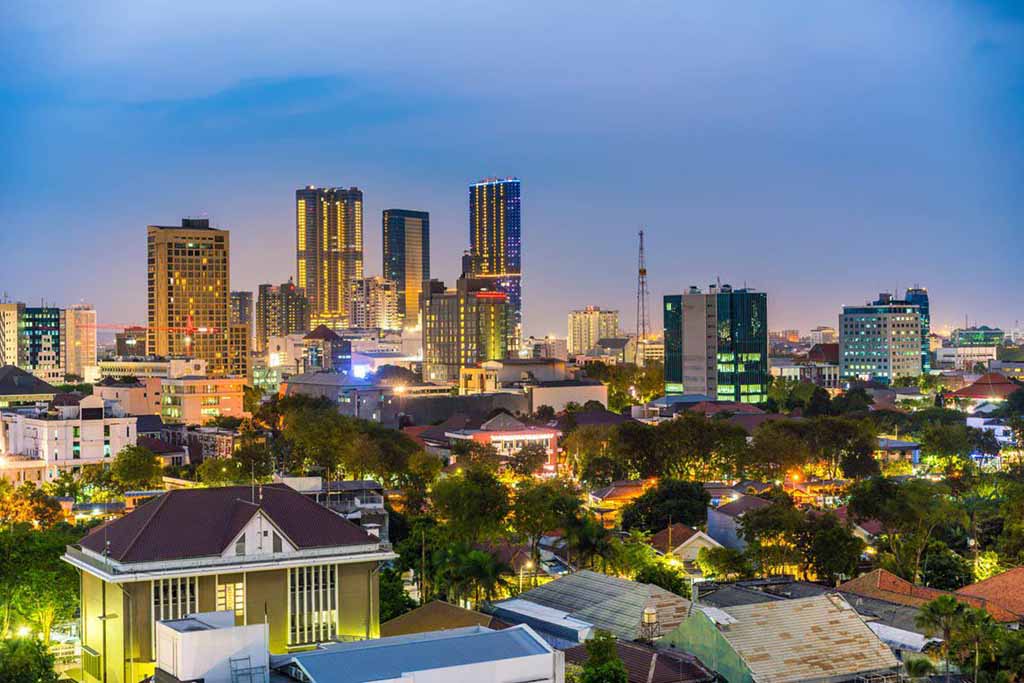
Surabaya, the second largest city in Indonesia after Jakarta, is a dynamic metropolis with a population of over 3 million people. As the center of business, commerce, industry, and education in Eastern Indonesia, Surabaya plays a vital role in the nation’s growth and development.
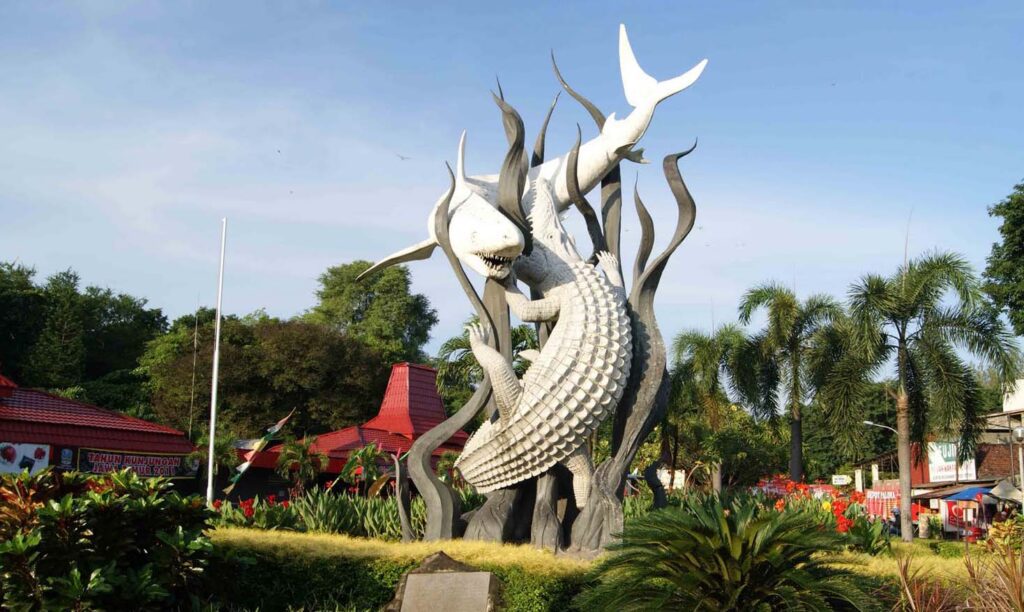
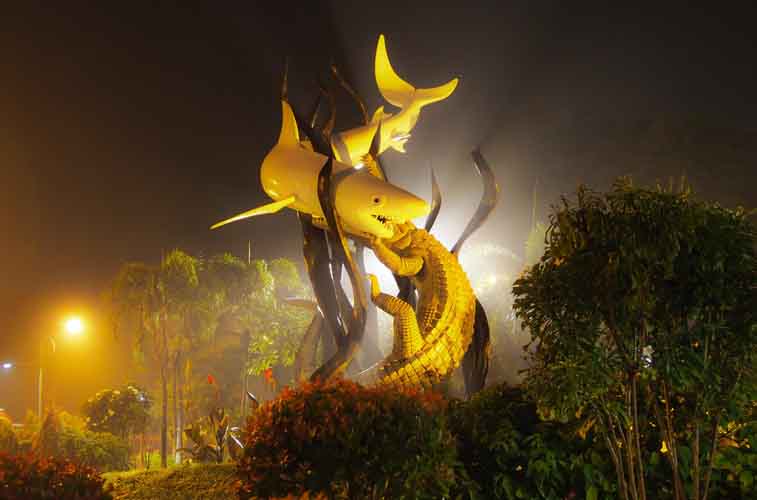
Known as the City of Heroes, Surabaya is deeply connected to Indonesia’s struggle for independence. The city’s name is believed to come from the legendary battle between Sura (shark) and Baya (crocodile), symbolizing courage and resilience. This mythical origin story is immortalized in the city’s iconic Sura and Baya sculpture.
Surabaya offers a fascinating blend of modern metropolitan life and historical heritage, making it one of the most attractive destinations in East Java. Visitors can explore monuments, museums, cultural landmarks, and modern attractions that showcase both Surabaya’s heroic past and its vibrant present.
Top Attractions in Surabaya
- Sura and Baya Sculpture: The iconic statue of a shark (Sura) and crocodile (Baya) symbolizes courage and resilience. It is the official emblem of Surabaya and a popular photo spot near the Surabaya Zoo.
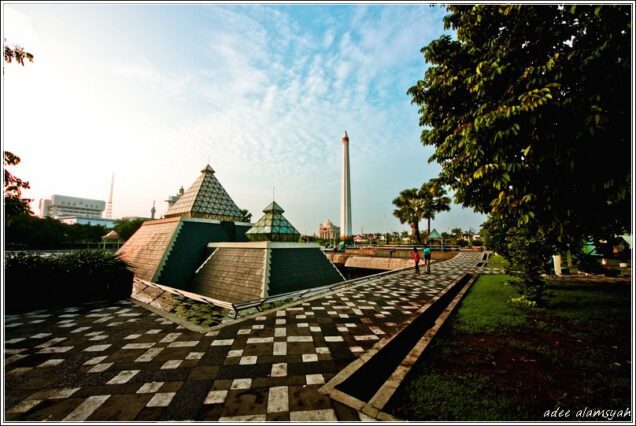
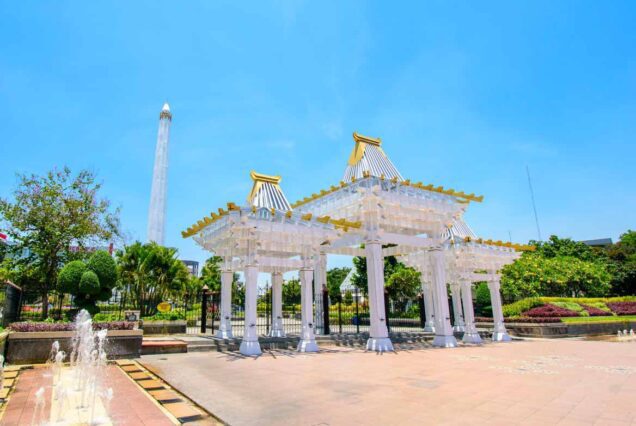
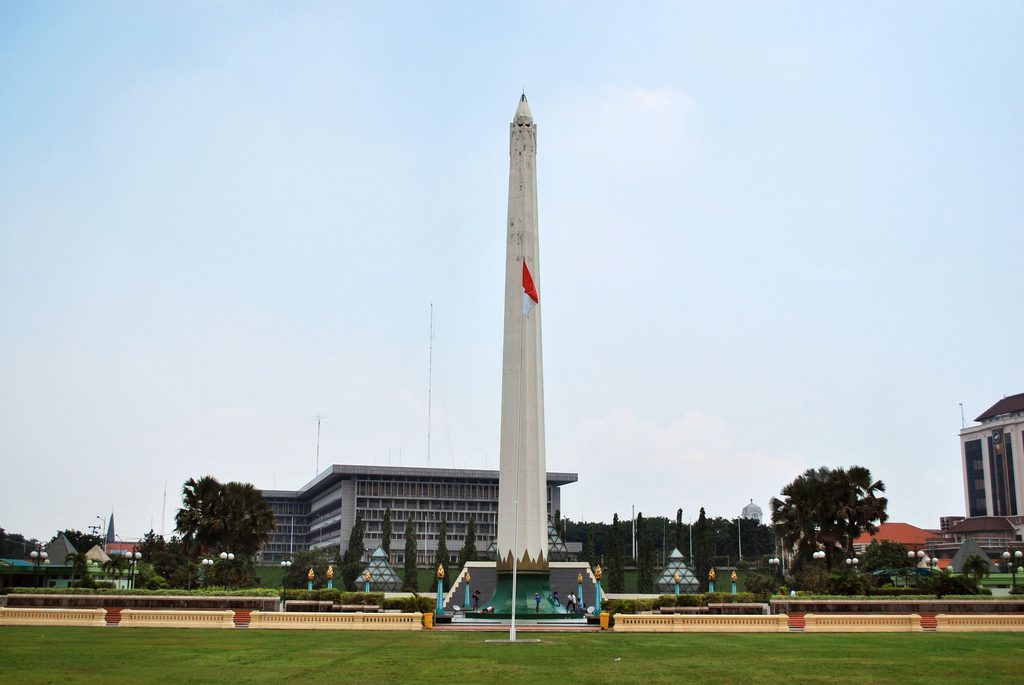
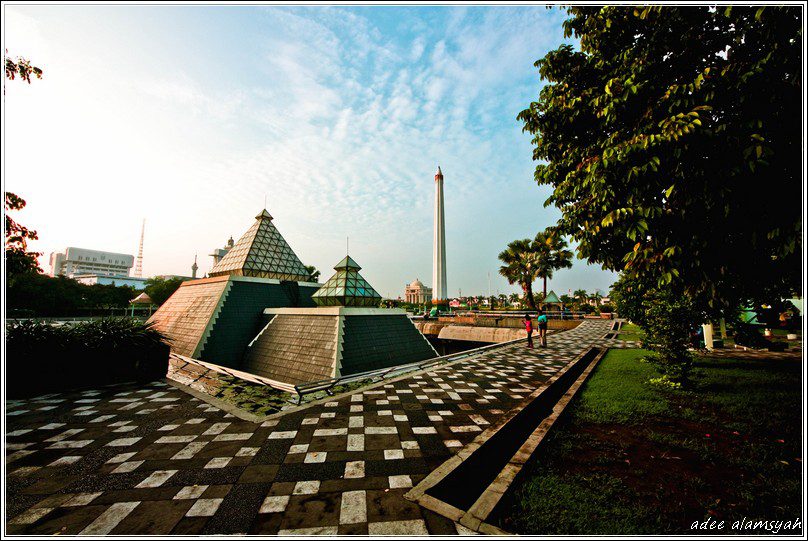
- Heroes Monument (Tugu Pahlawan): Built to commemorate the Battle of Surabaya on 10 November 1945, this monument honors the bravery of Surabaya’s citizens. The museum nearby displays artifacts and dioramas from Indonesia’s independence struggle.
- Tugu Bambu Runcing: This monument represents the bamboo spear, a traditional weapon used by freedom fighters. It stands as a symbol of Surabaya’s heroic identity and resistance spirit.
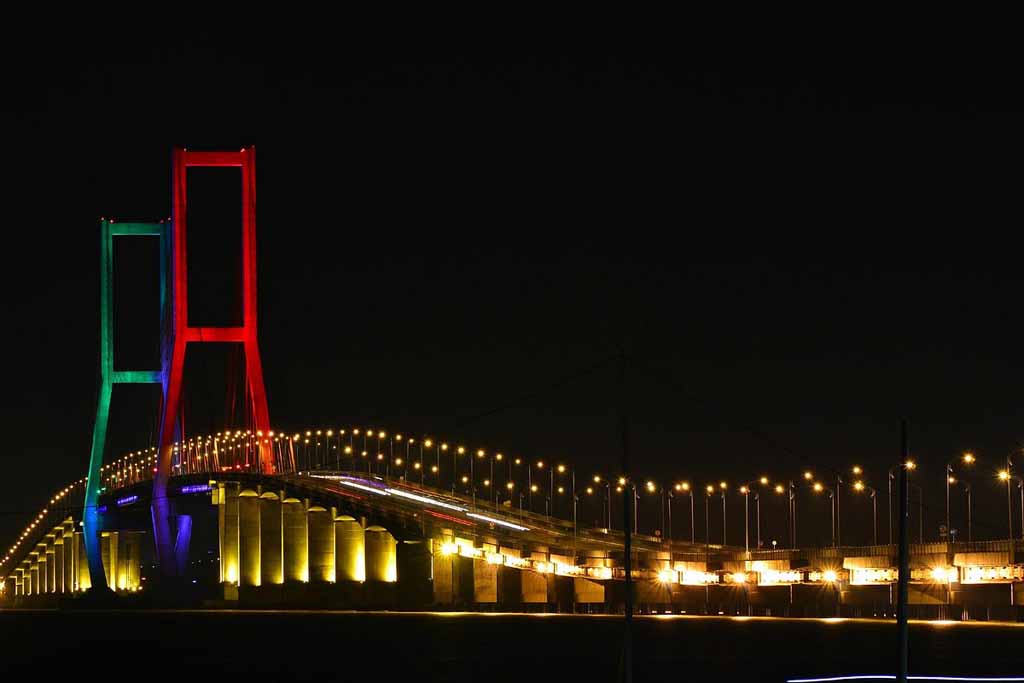
- Suramadu Bridge: Stretching 5,438 meters across the Madura Strait, the Suramadu Bridge connects Surabaya with Madura Island. At night, its illuminated structure creates a stunning panorama.
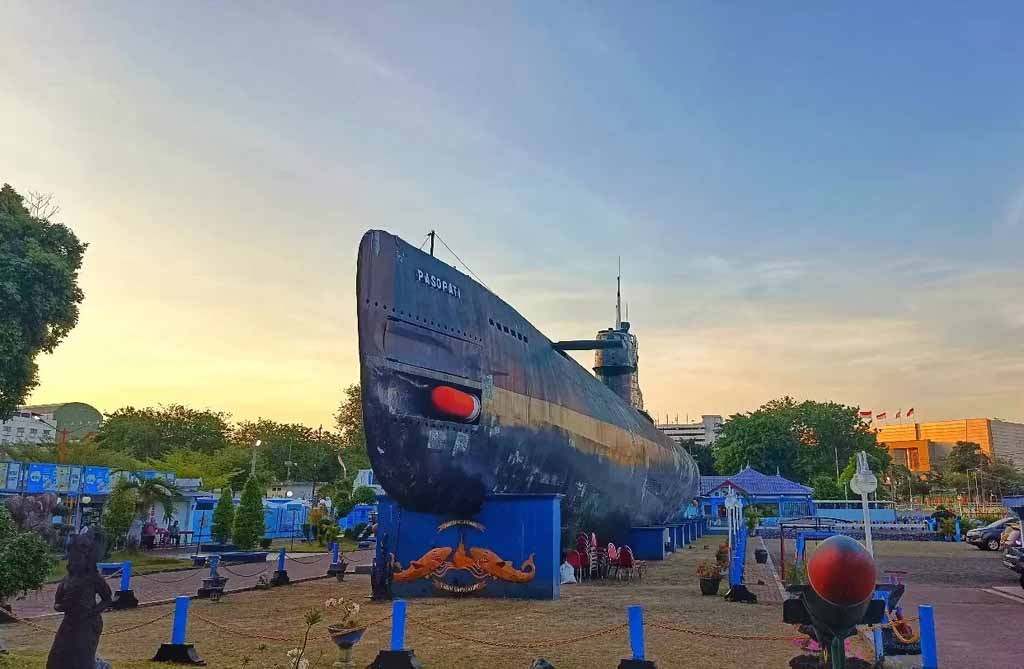
- Monumen Kapal Selam: A museum inside a decommissioned Russian submarine, offering visitors a chance to explore naval history and enjoy the riverside park.
- House of Sampoerna: A cultural museum in a Dutch colonial building, showcasing Surabaya’s cigarette industry and heritage. Guided tours highlight the preserved factory and local history.
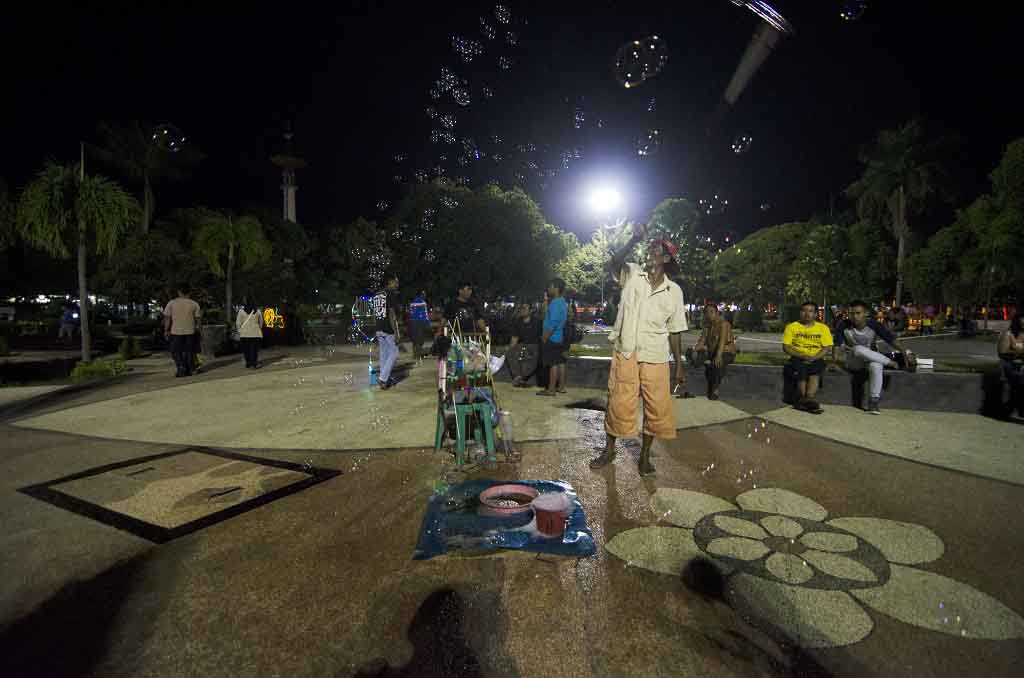
- Bungkul Park: Awarded as one of Asia’s best city parks, Bungkul Park is a lively green space with food stalls, playgrounds, and cultural performances.
- Masjid Al‑Akbar Surabaya (Grand Mosque): One of the largest mosques in Indonesia, featuring a striking turquoise dome and panoramic views of Surabaya from its tower.
- Surabaya North Quay: A modern waterfront area overlooking the port, perfect for sunset views, dining, and watching cruise ships dock.
- Surabaya Zoo: Established in 1918, Surabaya Zoo is one of Southeast Asia’s largest, home to lions, elephants, komodo dragons, and more.
- Grahadi Building: A colonial mansion built in the 18th century, now used for official state functions. Its architecture and gardens reflect Surabaya’s Dutch heritage.
- De Javasche Bank Museum: A restored colonial bank building turned museum, showcasing Surabaya’s economic history and Dutch architectural style.
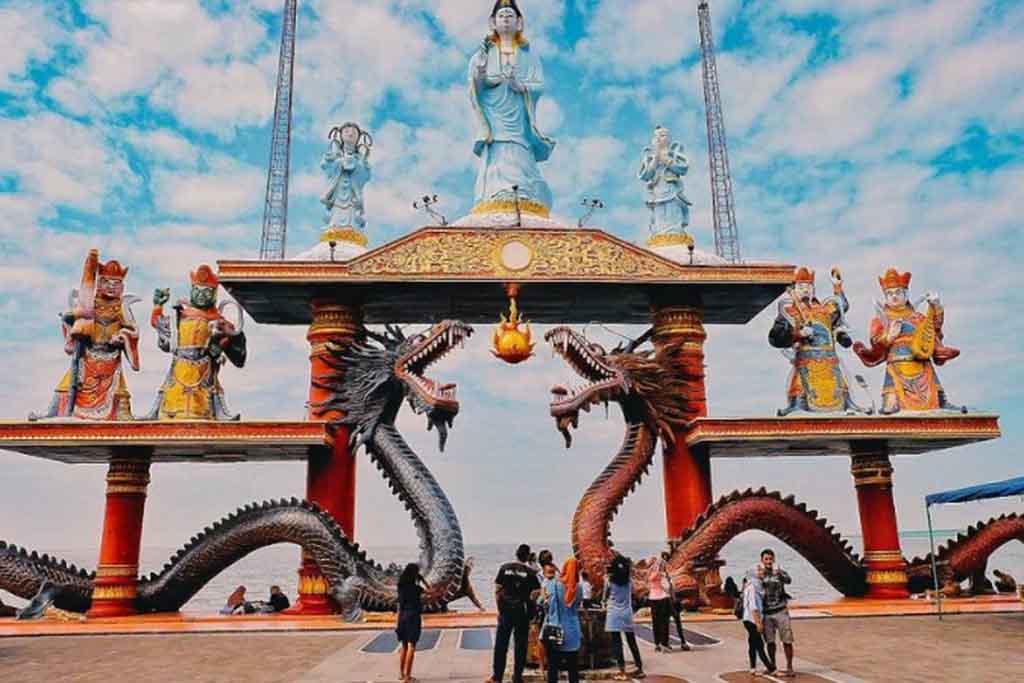
- Kenjeran Beach and Pagoda Tian Ti: A coastal area offering seaside leisure, seafood stalls, and cultural landmarks like the Pagoda Tian Ti. Ideal for families and cultural exploration.
- Statue of Governor Suryo: This monument honors Governor Suryo, the first governor of East Java, symbolizing leadership and Surabaya’s historical importance.
- Arca Joko Dolog: An ancient statue dating back to the 13th century, representing Buddhist heritage in Surabaya. It is a cultural landmark with deep historical and spiritual value.
- Apsari Park: A lively urban park in the city center with statues, food stalls, and recreational areas. Popular with locals for relaxation and socializing.
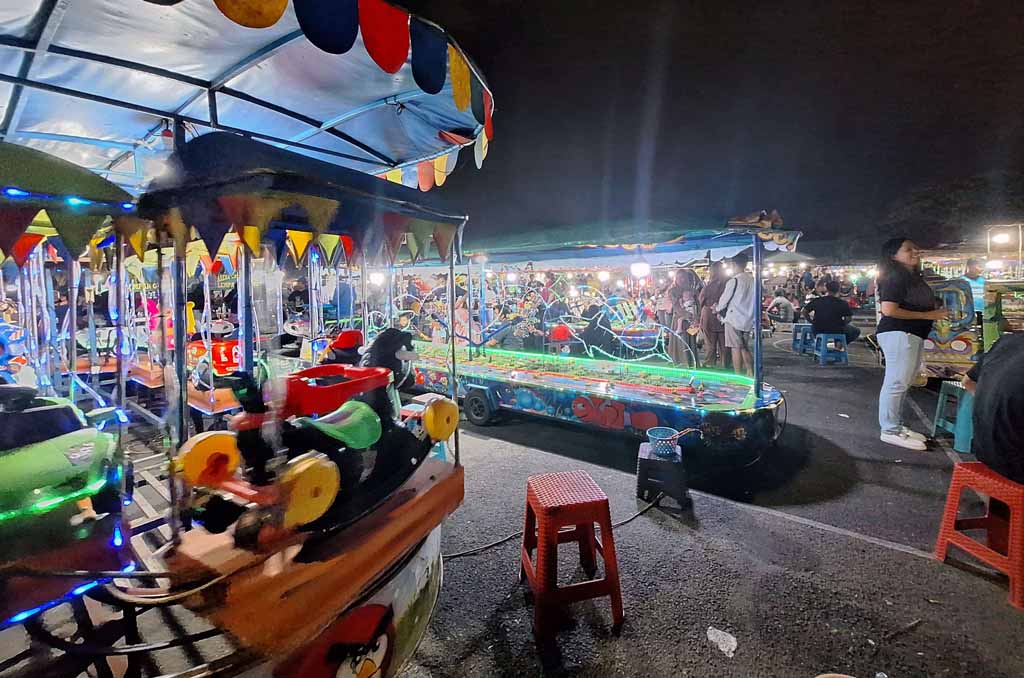
- Atlantis Land Kenjeran: A modern theme park featuring rides, water attractions, and colorful architecture. It’s a family‑friendly destination near Kenjeran Beach.
- Chinatown Surabaya (Kya‑Kya): A vibrant area filled with food stalls, temples, and cultural heritage. Perfect for culinary exploration and experiencing Surabaya’s multicultural side.
- Mangrove Wonorejo Ecotourism: Located in East Surabaya, this 200‑hectare mangrove conservation area offers boat trips and a 1 km jogging track. It is home to migratory birds and serves as a natural barrier against seawater intrusion.
- Eco Wisata Mangrove Gunung Anyar: A conservation site in Gunung Anyar offering eco‑tourism experiences. It’s ideal for educational tours and nature walks, highlighting Surabaya’s coastal biodiversity.